What makes contractors a good fit for your project?
Being local helps, but fit goes further than a postcode. The contractors worth speaking to usually share a handful of qualities, and it is worth thinking about each one before you pick up the phone:
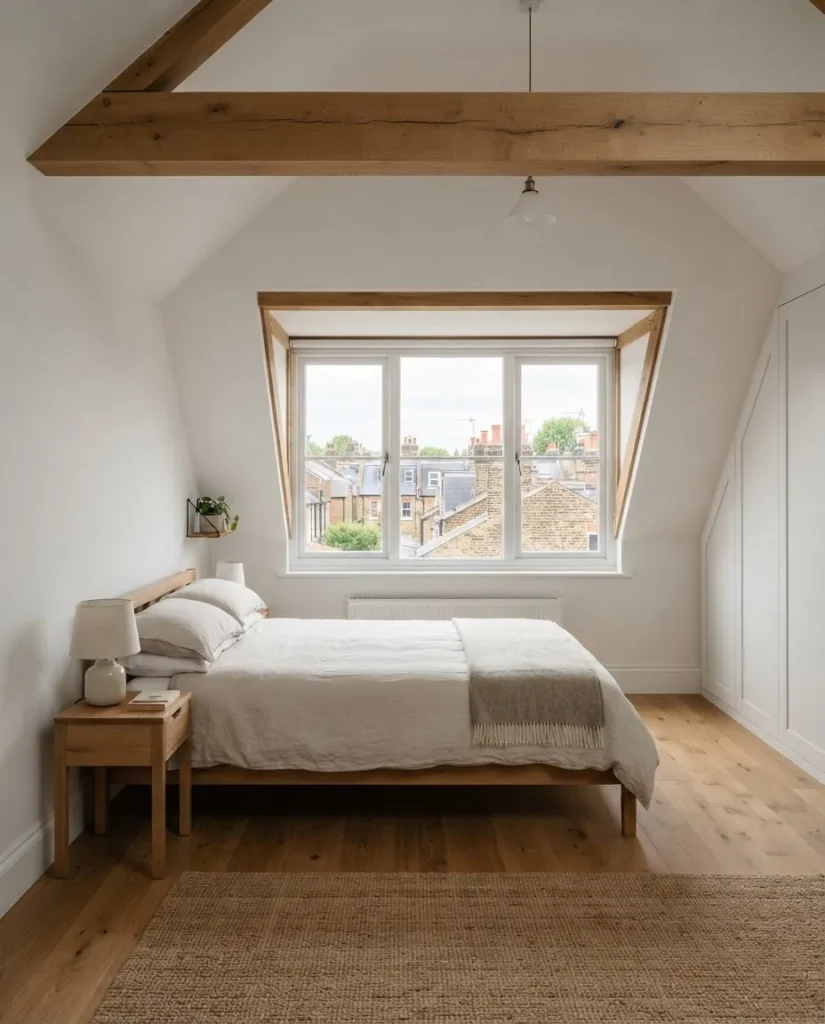
- They regularly take on your type of work, whether that is a new home, a double-storey extension or a loft with a dormer.
- The size of your project suits them. Some firms are set up for large single contracts; others do their best work on mid-sized jobs.
- They work in your area and can manage the site without long daily journeys.
- They have capacity around the time you want to start, rather than squeezing you in between other jobs.
- They can show you finished work similar to yours and put you in touch with past clients.
Construct Match looks at these same points when matching a project. A person reads what you have told us and chooses contractors for your type and size of project, near you. Nobody is chosen by an algorithm, and no firm sees your project until it has been reviewed.
Fit also works in both directions. Contractors do their best work for homeowners who are clear about what they want, ready to make decisions and realistic about budget and timing. Being prepared makes you the kind of client good firms want to work with.
Getting ready before you speak to contractors
The more settled your plans are, the more accurate every conversation will be. You do not need everything in place before you apply, but it helps to know where each piece stands and what is still to do.
Drawings and design
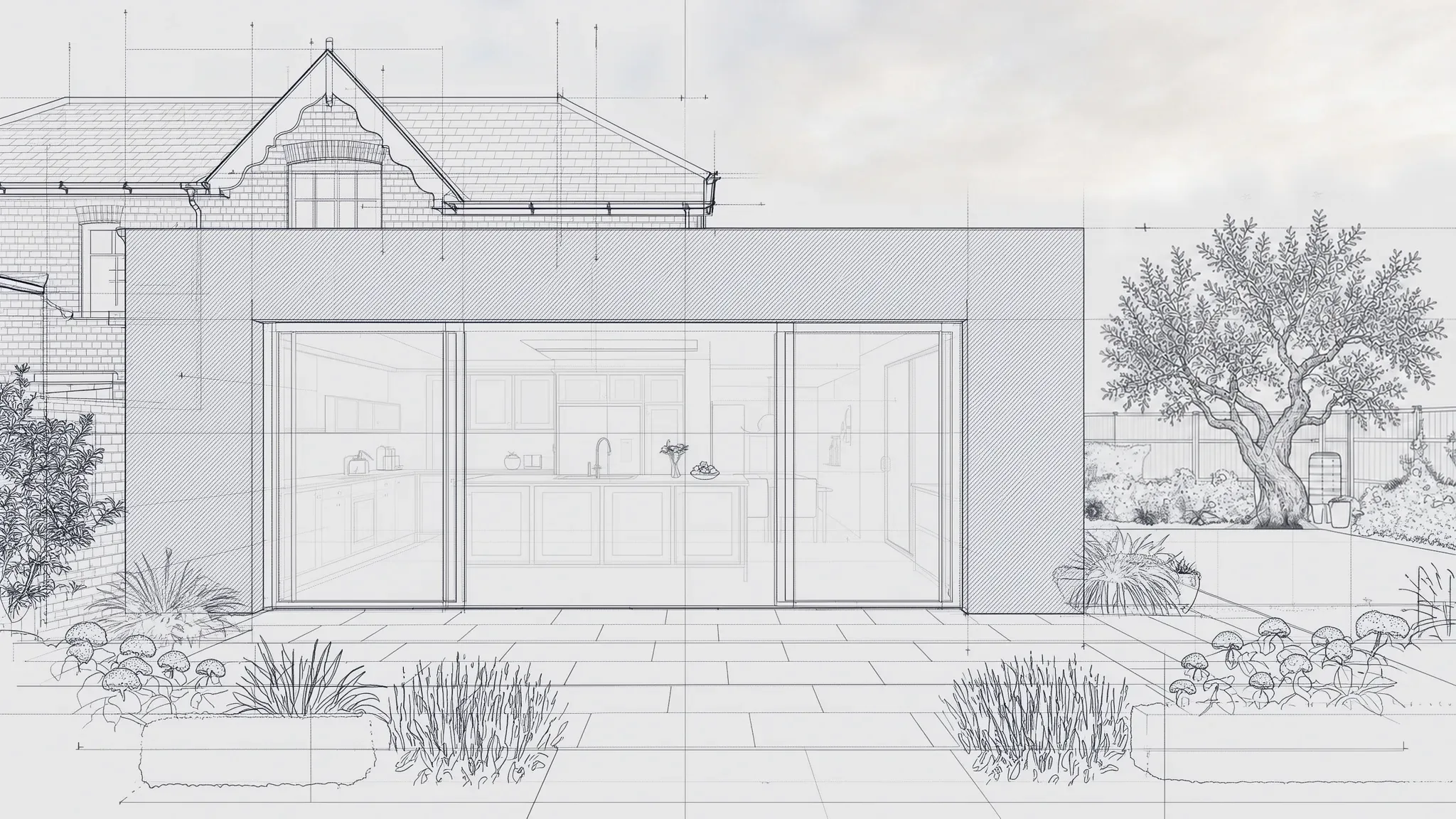
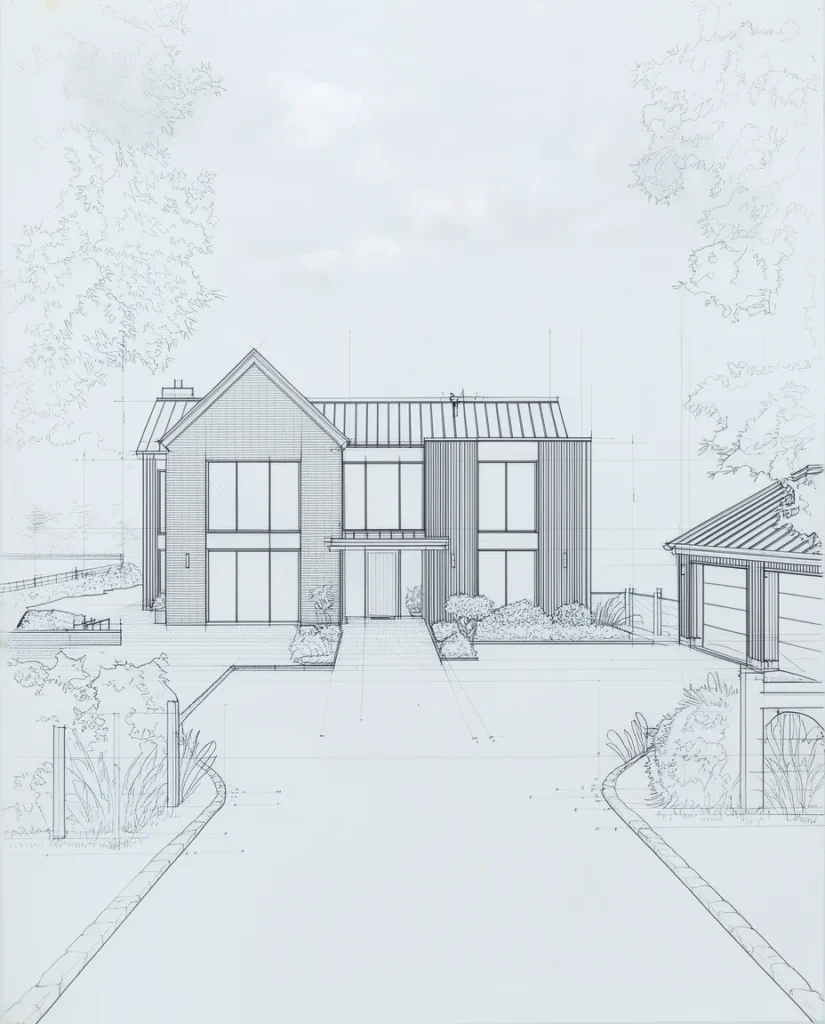
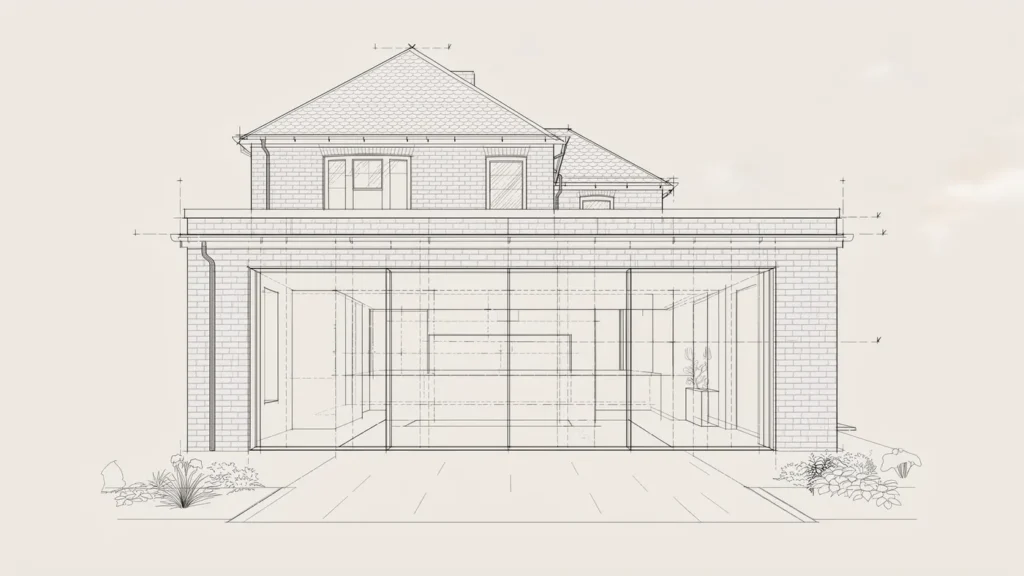
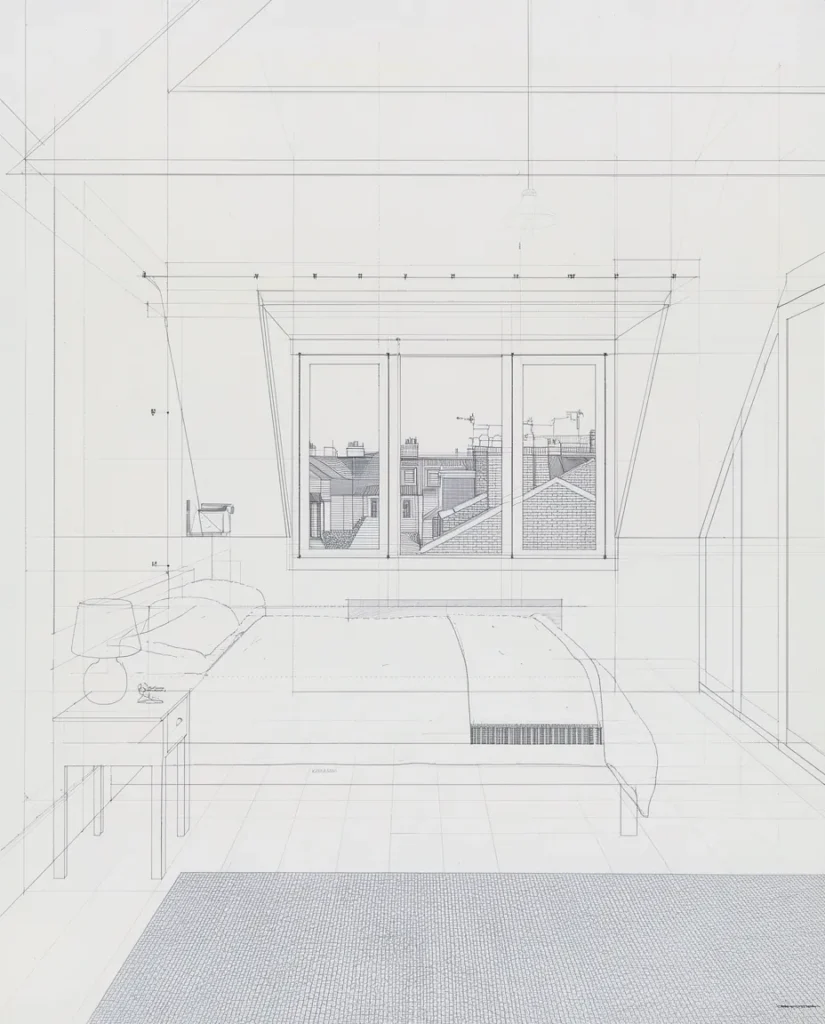
Concept sketches are enough to start a conversation. Architectural drawings let contractors understand the layout and size of the work, while technical drawings show how it will actually be built. The further along your drawings are, the closer any early pricing will be to the final figure.
Planning permission and Building Regulations
Planning permission and Building Regulations approval are separate things. Planning deals with what is built and how it looks; Building Regulations cover how it is built, including structure, fire safety, insulation and drainage. Many extensions and lofts fall under permitted development, but conditions apply and some properties have those rights removed. The government guide to Building Regulations approval explains the routes available.
Structure, party walls and neighbours
Work that removes walls or adds load usually needs a structural engineer’s calculations. If your project is on or near a shared wall or boundary, the Party Wall etc. Act 1996 may require you to give notice to your neighbours. The government guidance on party walls sets out how the process works.
Budget, funding and timing
Have a realistic budget in mind, with a contingency for the unexpected, and know how the work will be funded. A rough start window helps too. Contractors plan their order books well ahead, so a clear timeframe makes it easier to tell whether the fit is right.
What contractors need to see in a project brief
A good brief saves everyone time. It lets contractors judge whether a job suits them before they visit, and it means the first conversation starts from facts rather than guesswork. The most useful briefs cover:
- What you want built, and what you want the finished space to do for you.
- The address, and anything unusual about access to the site.
- Your drawings, and what stage they have reached.
- Where planning permission and Building Control stand.
- Whether structural calculations exist and whether party wall notices are needed.
- Your budget range and how the work will be funded.
- When you would like to start, and any dates that cannot move.
- Who will make decisions about the project.
When your project is matched through Construct Match, each contractor receives a professional brief of this kind, with your drawings, budget and timing, rather than a raw form. You tell us once, and nobody has to start from zero or ask you the same questions three times.
A clear brief also makes quotes easier to compare. When contractors are all working from the same information, differences in their prices tell you something real about their approach, rather than about what each of them happened to guess.
How many contractors should you ask to quote?
Sending the same job to a long list of firms tends to backfire. Good contractors are busy, and many will decline or deprioritise a project they know has gone out to everyone. Pricing a serious build properly takes days of careful work, and contractors are understandably selective about where they spend that time.
Too few, on the other hand, leaves you with nothing to compare. Most homeowners find that two or three well-chosen quotes give a clear picture of the price, the programme and the people behind them. That is why we match each project with up to three contractors, each chosen for it.
If none of the three feels right, it is better to say so than to accept a firm you are unsure about. A good match should leave you choosing between sensible options, not settling for the only one available. Taking a little longer at this stage is almost always cheaper than changing builder halfway through.
A short list also helps you. Meeting three contractors, reading three quotes and following up three sets of references is manageable alongside work and family life. Meeting eight is not, and the comparison quickly becomes a blur. Fewer, better-matched contractors leave you with the time to look properly at each one.
Comparing quotes from contractors fairly
Quotes for the same job can look very different, and the lowest total is not always the cheapest outcome. Before comparing figures, make sure each one covers the same ground. These are the points that most often explain a gap:
- Scope: does each quote cover the same drawings and specification, from groundworks to final decoration?
- Exclusions: what has been left out, such as kitchens, flooring, landscaping or professional fees?
- Provisional sums: which items are estimates to be confirmed later, and how much of the total do they make up?
- Programme: how long each firm expects the work to take, and when they could realistically start.
- Payment terms: how stage payments are linked to completed work.
- Variations: how changes will be priced and agreed in writing.
Keep a contingency in your budget whichever quote you choose. Older properties in particular can reveal surprises once walls and floors are opened up, and it is far easier to deal with them calmly when the money is already set aside.
If two contractors are far apart on price, ask each to talk you through their figure. The difference often comes down to an assumption about scope, and the answer tells you a great deal about how carefully each firm has read your drawings.
Questions to ask contractors before you appoint one
A short conversation, ideally on site, tells you a lot. These questions help you get past the sales pitch and understand how each firm actually runs a job from day to day:
- Who will manage the site, and how often will they be there?
- Do you use your own trades, regular subcontractors or a mix of both?
- How will you keep me updated on progress, and how quickly do you reply to questions?
- How are variations priced and agreed before extra work goes ahead?
- Can I see recent projects like mine and speak to those clients?
- What insurance do you hold, and can I see the certificates?
- What form of written contract do you normally use?
Contractors who welcome these questions tend to be the ones who run organised sites. If the answers are vague, or you feel rushed into signing, take that seriously. Trust your sense of how a firm communicates now, because it rarely improves once the work has started.
Take notes during each meeting so you can compare the contractors side by side afterwards. Small details, such as who turned up on time and who asked sensible questions about your plans, often prove a reliable guide to the months ahead.
Contracts, payments and safety on site
Agree everything in writing before work starts: the scope, the price, the payment stages, the programme and how changes will be handled. A written contract protects both sides and gives everyone a fixed reference point if questions arise later. Most established contractors have a standard form they use, and it is worth reading it carefully rather than signing on the day. Ask contractors to explain any clause you do not follow.
Stage payments should follow completed work, not run ahead of it. Be cautious of requests for large sums before anything has happened on site, unless there is a clear reason, such as materials that must be ordered early. Reputable contractors are used to explaining how their payment stages work.
The Construction (Design and Management) Regulations 2015 apply to domestic projects too. The HSE explains the duties of domestic clients under CDM, and on most home projects those duties are taken on by the contractor or designer. Even so, it helps to understand who is responsible for planning the work safely and keeping the site secure.
Projects and areas we match contractors for
Construct Match focuses on serious building work in Bedfordshire, Hertfordshire and Buckinghamshire. We match new builds, extensions, loft conversions and major renovations, and you can see the towns we cover on our areas page.
Each type of project calls for different contractors. A new home on your own plot needs a firm comfortable running a full build programme, while a loft conversion suits specialists who know roof structures, staircases and fire safety. A whole-house renovation needs someone who can coordinate many trades in an older building. Matching starts with understanding exactly which kind of work you are planning.
Location matters as well. Contractors who already work across your part of the three counties understand local building styles, know the suppliers and can reach your site easily. That local familiarity is one of the things we weigh when choosing who sees your brief.
What happens when you apply
Applying takes 3 to 5 minutes, and your contact details come last. You will get a confirmation by email and text straight away. The team then reviews your project within 2 working days and may call you at the time you told us suits you.
If it is a good fit, we identify suitable contractors and match you with up to three. Each one receives a professional brief, and your details are never sold to a list. You can read more about each stage on how it works, or start your project whenever you are ready.
If your plans are still early, apply anyway and tell us honestly where things stand. A person will read it, and if the project is not ready to match yet, we will say what would help before contractors are involved.